Beyond the Frame: highlights from the day
- The Public Realm: Cromer Artspace’s own Bigger Picture initiative serves as a prime model by placing high-quality art reproductions directly onto local shopfronts and everyday streets.
- Decentralised Formats: Organizations like the Wysing Arts Centre shared their radical pivot away from traditional gallery exhibitions toward deep, direct residency work inside local schools and community settings.
- Digital Integration: Platforms like Bloomberg Connects were highlighted as vital tools for providing free, self-paced multimedia guides that democratise visibility for smaller regional organisations.
What If Art Could Change the World?
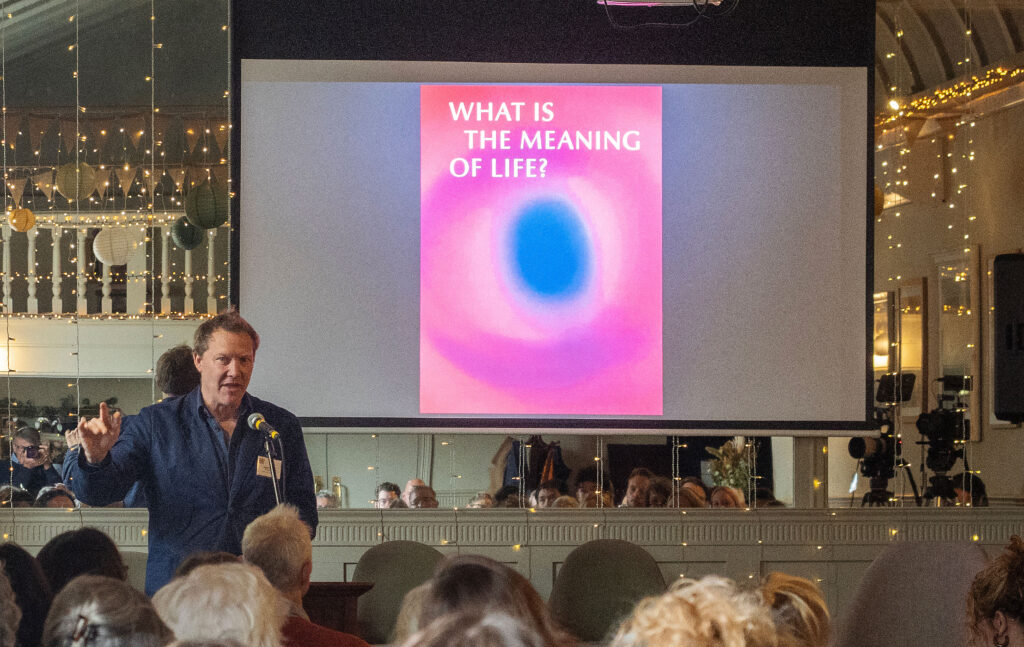
Jago Cooper, Director of the Sainsbury Centre, argued that art is not simply a reflection of society or entertainment, but a powerful force for social change. By stimulating imagination and challenging established thinking, art can help us envision alternative futures. At the Sainsbury Centre, this philosophy has transformed the museum experience, encouraging visitors to engage with artworks through personal experiences and fundamental questions about life, truth and society. Jago argued that widening access requires more than opening doors: cultural organisations must challenge traditional structures and create meaningful connections with diverse audiences. Art’s capacity to inspire new thinking is essential to humanity’s future.
Bigger Picture: Bringing Art Beyond the Gallery and Into Everyday Life
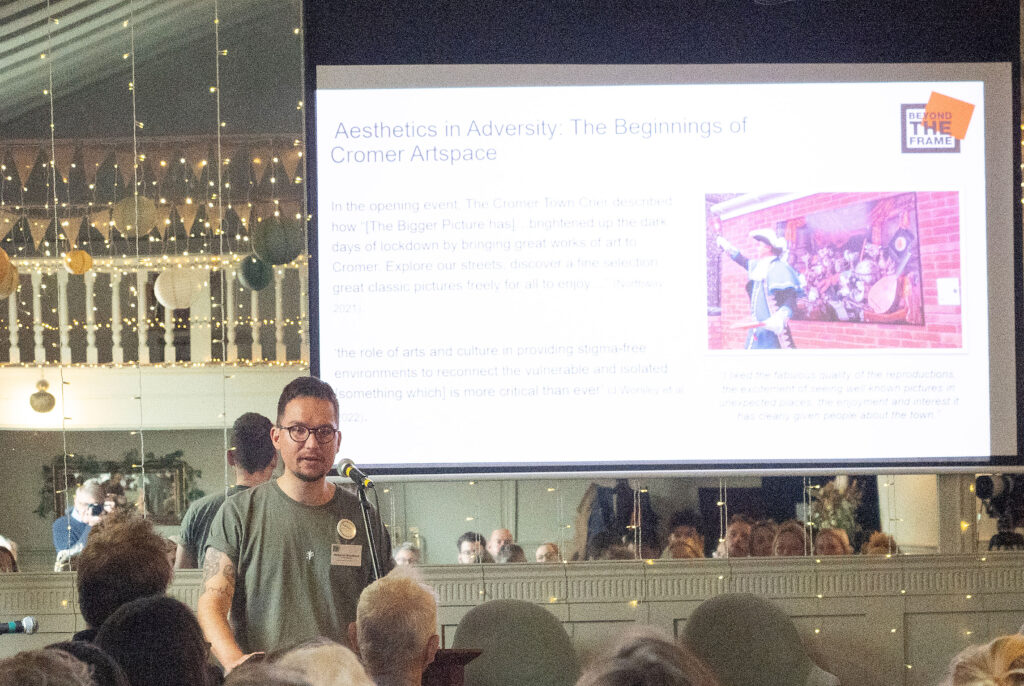
Bigger Picture is Cromer Artspace’s volunteer-led project that brings art into everyday life by displaying large-scale reproductions of artworks in public spaces across the town. Created during the 2021 lockdown, it challenges traditional ideas about where art belongs and who can access it, making cultural experiences freely available to all. Through partnerships with organisations including the National Gallery, National Galleries of Scotland and Towner Eastbourne, the project has continued to evolve while remaining rooted in community participation. By placing art in streets, schools and community settings, Bigger Picture demonstrates how culture can be more accessible, inclusive and connected to the places where people live.
Decentralising the Arts: It Starts with People
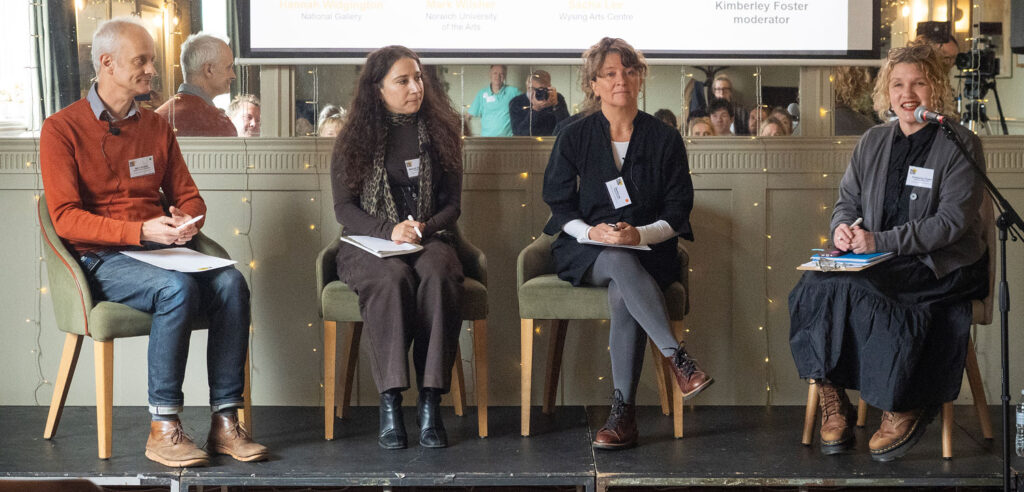
At Cromer Artspace’s Curating Beyond the Frame symposium, moderator Dr Kimberly Foster joined panellists Mark Wilshire (Norwich University of the Arts), Hannah Widgington (National Gallery) and Sacha Lee (Wysing Arts Centre) to explore what decentralising the arts means in practice. The discussion argued that meaningful change is less about geography and more about agency, relationships and participation. Through examples ranging from community orchards and school residencies to public art trails and grassroots initiatives, the panel highlighted the importance of recognising local creativity, sharing power with communities and creating opportunities for people to shape the cultural life of their own places.
Connecting People with Art and Culture: The Power of Bloomberg Connects
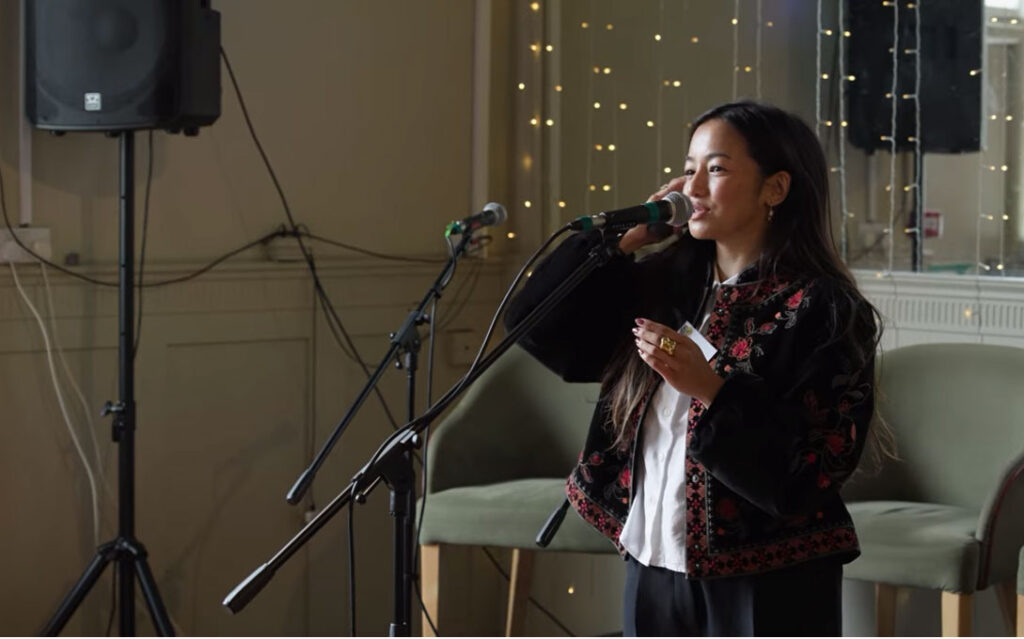
Kripa Gurung of Bloomberg Connects introduced the platform’s mission to make arts and culture more accessible through free digital guides and multimedia content for visitors worldwide. Powered by Bloomberg Philanthropies, Bloomberg Connects has grown from three institutions in 2019 to more than 1,700 cultural organisations, ranging from major museums to smaller regional venues. Gurung highlighted the platform’s commitment to accessibility, multilingual content and user-informed development, with features shaped by feedback from both audiences and partner institutions. She emphasised the importance of giving smaller organisations visibility alongside larger ones and celebrated the partnership with Cromer Artspace and its support for the symposium.
From Theory to Practice: Rethinking Access to Art and Culture
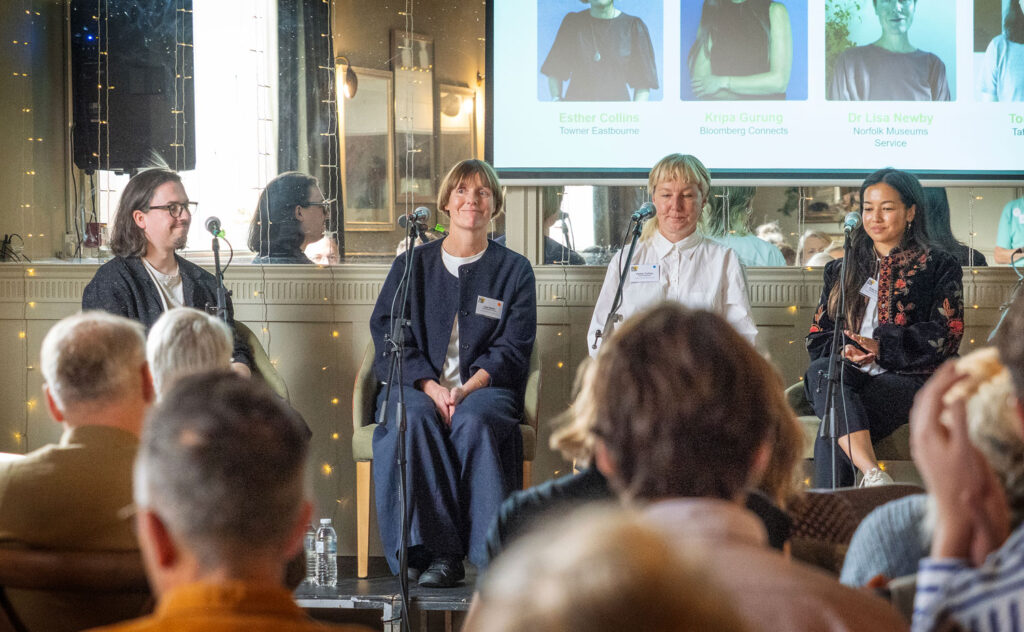
At Cromer Artspace’s Curating Beyond the Frame symposium, a panel featuring Tom Emery (Tate Liverpool), Lisa Newby (Norfolk Museums Service), Esther Collins (Towner Eastbourne) and Kripa Gurung (Bloomberg Connects) explored the practical challenges of making the arts more accessible. Discussion focused on barriers such as transport, cost, digital access and institutional structures, alongside the importance of collaboration, co-curation and community-led approaches. The panel argued that meaningful access requires more than outreach programmes: it demands changes to cultural organisations themselves, recognising creativity wherever it occurs and ensuring diverse voices help shape cultural experiences.
The Future of Culture Is Being Shaped in Small Places
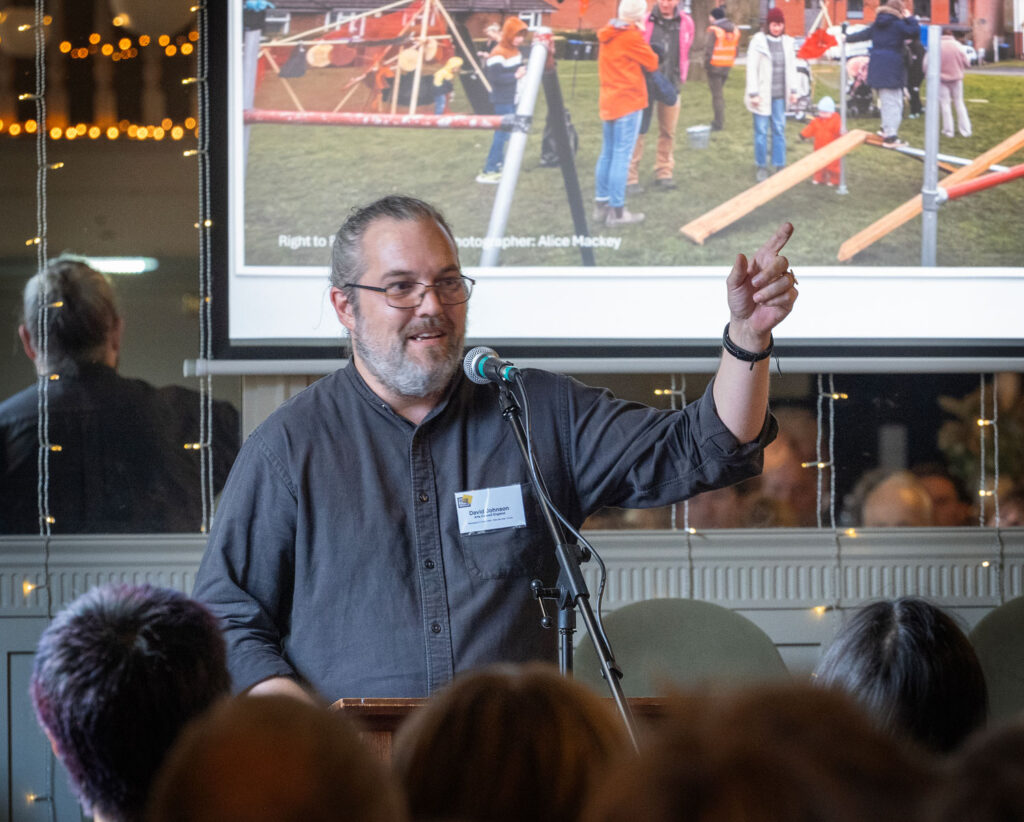
David Johnson argued that decentralising the arts means changing not just where culture happens, but who shapes it and whose voices are heard. Rural and coastal communities are centres of creativity and innovation, not cultural backwaters, and deserve greater recognition, investment and opportunity. Improving access means addressing practical barriers such as transport and funding, while ensuring people feel represented and able to participate. This requires cultural organisations to rethink established practices, embed decentralisation in their decision-making, build partnerships and support local leadership. Ultimately, a more equitable cultural sector must recognise that there is no single model for success and that creativity and cultural ambition should not be limited by geography or postcode.