
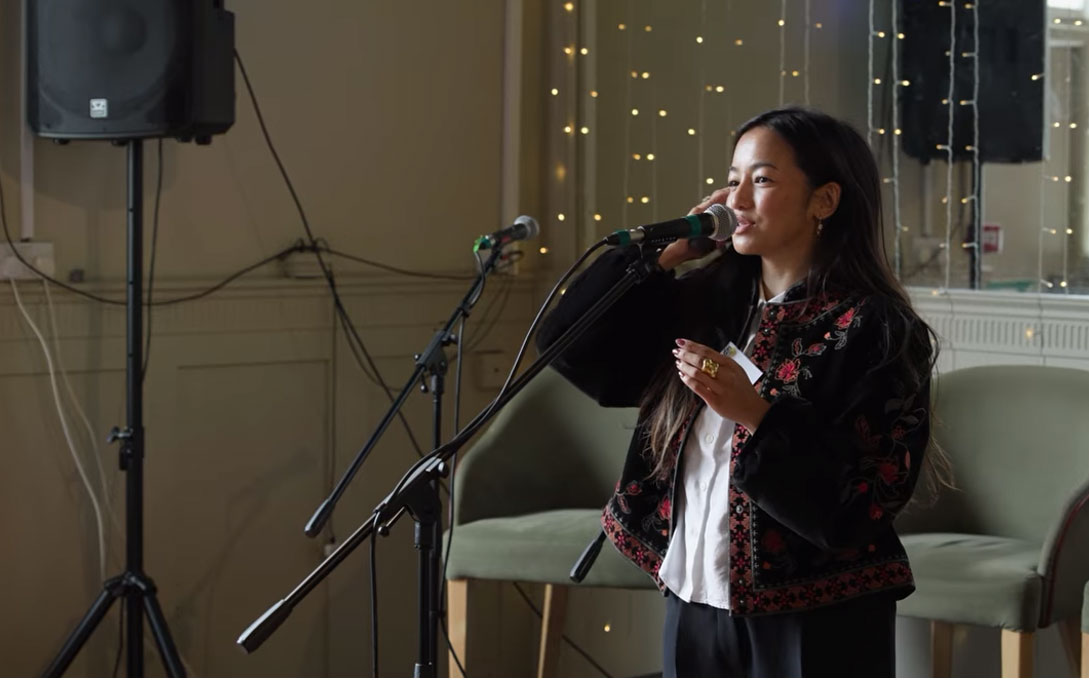
By Kripa Gurung, Bloomberg Connects
It was lovely to visit Cromer for the first time and to be part of Cromer Artspace’s Curating Beyond the Frame symposium. I was particularly pleased to see how the town has embraced Bigger Picture, bringing art out of galleries and into the streets, where people can discover it as part of their everyday lives.
That idea of making art easier to find and engage with is very much at the heart of what we do at Bloomberg Connects.
Making art more accessible
Bloomberg Connects is powered by Bloomberg Philanthropies. We launched back in 2019 with just three cultural organisations in London and New York, and we’ve grown quite a bit since then. Today, we work with more than 1,700 cultural organisations around the world.
The idea is simple: we want to help more people connect with art and culture. The app is free to download and use, and it’s also free for cultural organisations to join. We want to make sure cost isn’t a barrier, either for the people exploring culture or for the organisations trying to reach them.
Many of our partners use Bloomberg Connects for audio guides, multimedia content and information about their exhibitions and collections. But what’s particularly important to us is that the platform works for the people using it.
We listen closely to feedback from both visitors and our partner organisations. Some of the features we’ve introduced, including language options and accessibility tools, have come directly from their suggestions. We have a team of engineers continually working on the app, making improvements and responding to what organisations and audiences tell us they need.
There’s always more we can do, but listening and learning are a big part of how we approach the work.
Making space for smaller organisations
One of the things I’m particularly passionate about is making sure that smaller cultural organisations get the same opportunity to be discovered as the big names.
We work with some very well-known institutions, including Tate, Somerset House and the National Gallery. But it’s just as important to us to support smaller galleries, regional organisations and community-led projects.
These organisations are doing fantastic work, often with much smaller teams and budgets. They may not have the same marketing resources or international profile as a major museum, but that doesn’t make what they do any less valuable.
We want Bloomberg Connects to help people discover the full range of cultural experiences available to them, not just the institutions they already know. We also run marketing campaigns that highlight the work of our partners, including those working outside the major cultural centres.
That feels especially relevant to the conversations we’ve been having here in Cromer. Where you live can make a real difference to the cultural opportunities available to you. We want to help more people discover what’s happening in their own communities, as well as introduce them to places and collections they might not otherwise come across.
A different way to experience art
Cromer Artspace’s Bigger Picture project is a great example of how digital technology can complement the experience of encountering art in an unexpected place.
You might be walking through Cromer, heading to the shops or meeting someone for coffee, and suddenly come across a painting on a shopfront. You don’t necessarily need to have planned a visit to an exhibition or even think of yourself as someone who goes to galleries. The artwork is simply there, as part of the town.
And if you want to find out more, Bloomberg Connects gives you another way into that experience. You can explore the artwork, learn about the artist and spend as much or as little time as you like with it.
I really like that combination. The physical artwork creates the initial encounter, and the digital platform gives people the opportunity to take it further if they want to. There’s no pressure to engage in a particular way.
It also means people can continue exploring from home, or discover other cultural organisations through the same app. Digital access doesn’t replace seeing art in person, but it can open up more opportunities to connect with it.
Learning from one another
For me, one of the most important things is that technology should respond to what people actually need. It’s not about creating an app for the sake of it; it’s about helping cultural organisations share their work and making it easier for people to engage with it.
That’s why events like Curating Beyond the Frame are so valuable. They bring together organisations working in very different places and circumstances, and give us the chance to listen, share ideas and learn from one another.
There isn’t one answer to the question of how we make culture more accessible. Digital platforms can help, but so can local partnerships, creative projects and the simple act of bringing art into places where people already spend their time.
I’m delighted that Cromer Artspace is part of Bloomberg Connects, and it’s exciting to see how Bigger Picture is using the platform alongside its street displays to reach people in different ways.
Ultimately, we want to help people discover something that interests, surprises or inspires them. That might happen in a major museum, a small local gallery, a community space or simply while walking down a street in Cromer.
Sometimes, all it takes is that first unexpected encounter to make someone curious about what else is out there.
Make the first person more conversationalAdd more personal detail from the symposium